Dentists are ditching monthly retainers and switching to a new model where they only pay if a patient pays them first. Here's why.
 Jon AtanassioOctober 19th 20262 min readSenior Reporter
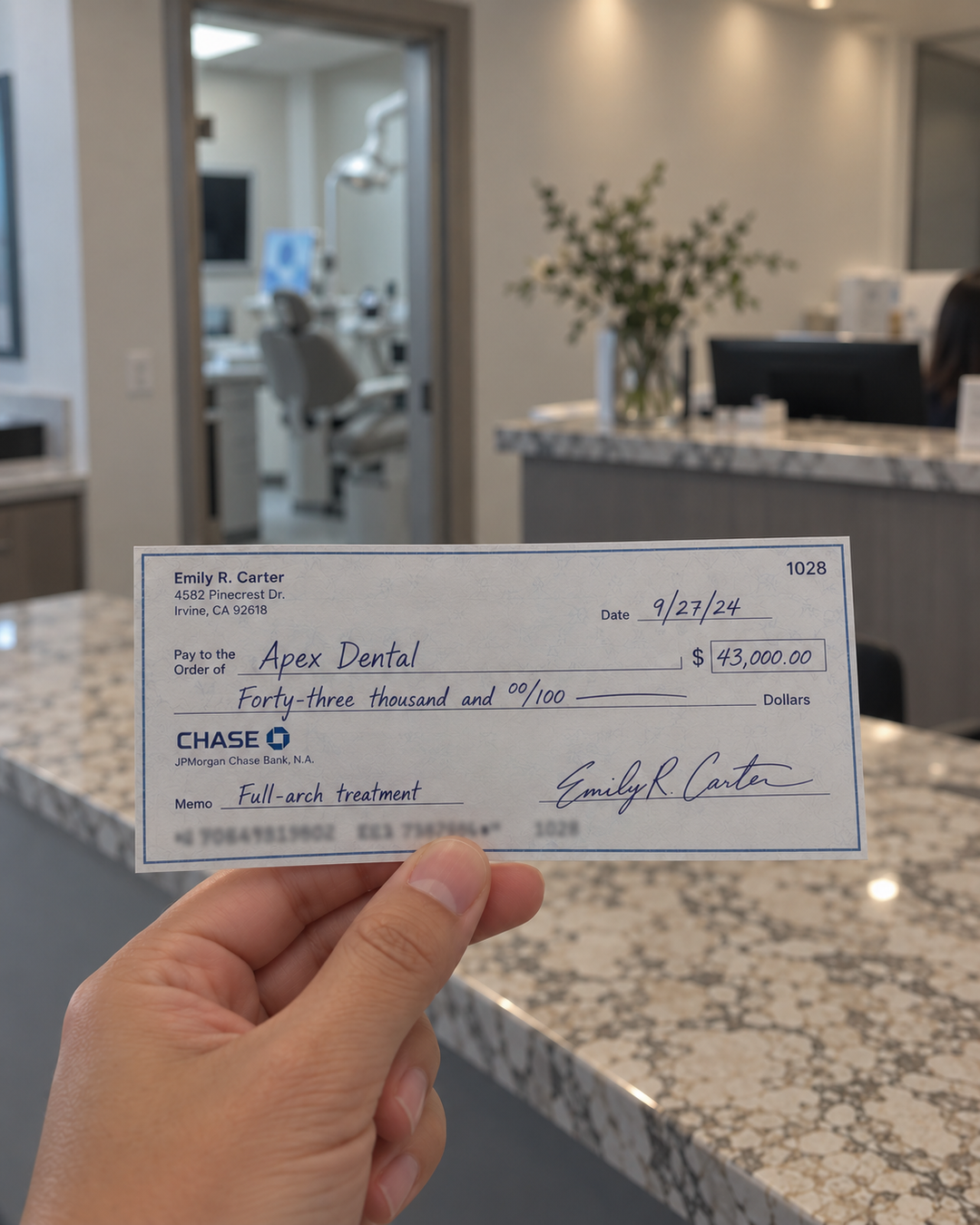







If you've spent thousands trying to bring more full-arch patients into your clinic, you probably don't need another pitch about getting more leads.
You've paid an agency. You've put money into ads, SEO, or both. You did it because you wanted people in your chair who were ready to move forward.
Instead, you got names and phone numbers.
Some people didn't answer. Some only wanted a price. Others finally booked, then didn't show.
Your front desk spent hours calling and following up, only to find out someone wasn't ready for treatment or had no way to afford it.
Meanwhile, the agency's report showed leads coming in. From their side, the campaign looked busy. From yours, it looked like more work.
If that sounds familiar, it's worth looking at what you were actually paying for.
“It was the worst. Other agencies kept sending me unqualified leads, and I ended up wasting my time and money chasing people who weren't serious.”

In the traditional retainer model, you pay the agency its monthly fee upfront. Then it runs campaigns and sends you leads.
But look closely at the deliverable. Was it a paying full-arch patient, or someone who filled out a form?
Those are very different things. A form submission doesn't tell you whether someone will answer, attend a consultation, accept treatment or pay.
Yet the agency can collect its full retainer before any of those things happen.
It may care about doing good work. But its fee isn't necessarily tied to qualifying those people, following up with them or helping them become patients.
That's the mismatch: you need paying patients, while the agency can fulfill its agreement by delivering enquiries.
Your team is left to close the gap, on top of answering phones, checking in patients and keeping the practice running.
This isn't an argument that every agency is bad, or that advertising doesn't work. It's an argument that the way you pay for the service should match the outcome you need.
That's the pay-per-patient model. Instead of paying a monthly agency retainer upfront, you pay a service fee only after a patient attributed to the marketing actually pays your clinic.
A form submission doesn't trigger the service fee. An attributed patient paying your clinic does. You're paying for patient acquisition, not just a list of people to call.
Why does that change the work?
Because an unanswered enquiry or an empty consultation slot doesn't earn the agency a service fee. The agency has a financial reason to care about what happens after the lead comes in.
That means working toward better-quality enquiries, making sure prospects are contacted quickly, and checking their interest and financial readiness before booking consultations.
"After trying out a lot of different marketing companies, Implant Advertising is the first one that actually responds when you need them to, but most importantly, does what they say they're going to do with no excuses."
You want paying full-arch patients, not another list of leads that never commits to anything. Start with your clinic's location, then book a 15-minute intro call to see whether pay per patient makes sense for your practice.
I waited too long before jumping in. Don't make the same mistake.

Dr. Gaitan at Royal Dental knew the frustration of paying for leads that went nowhere. He describes the enquiries from previous agencies as a waste of time because they weren't really qualified.
Working with Implant Advertising, the difference he noticed was financial readiness: people who had the money and were ready to move forward.
He also points to the communication and the systems around those enquiries. Rather than feeling like another outside vendor, he says the team felt like an extension of his own office.
In just two weeks, he reports that two patients closed for $42,000.
That's the meaningful change in his story. He wasn't just looking at more names in a report. He was seeing people move forward with treatment.

If you're looking for more full-arch patients without another upfront agency retainer, take the next step: find out whether your clinic qualifies for our pay-per-patient program.
Start with your clinic's location, share your contact details and choose a time for a 15-minute intro call.
We'll discuss your current full-arch cases, fees, and capacity. The purpose is to see whether the model makes sense for your practice.
You're taking the next step toward a clinic-specific conversation, not agreeing to a campaign or a service fee by clicking.
Another concern is what happens when a campaign needs attention. Will the team listen, or leave your practice to figure it out?
Tammy Allen at DS Dental had worked with a lot of different marketing companies before Implant Advertising.
What stood out in her testimonial wasn't another promise about what a campaign could do. It was how the team worked with the practice.
She says this was the first marketing company that actually responded when they needed it to.
More importantly to her, the team did what it said it would do, with no excuses.
That addresses a different concern from patient numbers or return on ad spend: can you count on the people handling your marketing?
For a practice comparing agencies, responsiveness and follow-through belong in that decision alongside the financial terms.
Bring that question to your intro call: who will your office work with, and how will the team respond when you need help? Here's how Tammy describes DS Dental's experience:
After trying out a lot of different marketing companies, this is the first one that actually responds when you need them to, but most importantly, does what they say they're going to do with no excuses
Limited to one clinic per local area.
I hear this more than anything else, and it's fair. Every agency says 'qualified leads'.
The difference is whether anything in the funnel actually stops an unqualified person from getting through. Most agencies have nothing that does.
Implant Advertising says it has spoken with many of the large companies in this space and that none of them run a credit checker inside the funnel. Their funnels also ask far fewer questions.
What about a guarantee? There isn't one, and that's deliberate. A guarantee is what an agency offers when it gets paid either way. This one doesn't get paid unless you do.
And the price? It isn't on this page because there isn't one number. It depends on the size of your market, how competitive your area is and where your practice is operationally.
If you've been burned enough times to stop believing promises, the quote below is the one worth reading.
"We've worked with a lot of different marketing companies, and this has been the first one where what they said would happen actually happened"

You don't have to commit to a campaign today. The next step is simply to find out whether pay per patient fits the full-arch side of your practice.
The button below takes you to a few short questions about your practice. Then you pick a time for a 15-minute intro call.
On the call, the team goes through your current full-arch cases, consultation acceptance rate, fees, ad spend and capacity, along with where you want to be in the next 6 to 12 months.
If it's a fit, you'll know. If it isn't, they'll tell you straight instead of wasting another hour of your week.
It's limited to one clinic per local area, so whether your area is still open is part of what the call answers.
You studied for years to do this work. It should be paying you, your team and the life you want to build, not a retainer that pays out whether you see a patient or not.
"I waited too long before jumping in. Don't make the same mistake."
The agency fee is $0 upfront with $0 retainer. You only pay when a patient pays your first.
Only when a patient attributed to the marketing pays your clinic to start full-arch treatment. An enquiry or a booked consultation doesn't trigger the service fee.
The service fee depends on an attributed patient paying your clinic, not simply filling out a form. About twelve logic-based questions and a credit check run inside the form to screen intent and financial readiness. The team handles follow-up and booking, and closed-patient data goes back to Meta. Your clinical assessment determines suitability for full-arch treatment.
Because it depends on the size of your market, how competitive your area is for full-arch treatment and where your practice is operationally. Those are covered after the intro call.
There is no payment upfront so a guarantee is not applicable. The payment model is the difference: the agency earns its service fee only after an attributed patient pays your clinic to start full-arch treatment.
You check your area, share your contact details and book a 15-minute intro call about bringing more full-arch patients into your practice. It's limited to one clinic per local area.
Limited to one clinic per local area.
Limited to one clinic per local area.



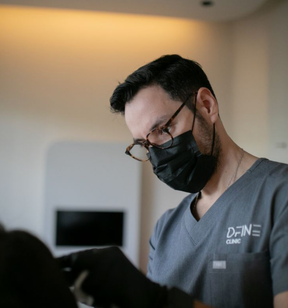
"From Unqualified Leads to Two Patients Closed for $42,000 in just 2 weeks"
With pay-per-patient marketing the service fee is collected only after an attributed patient pays your clinic.
Limited to one clinic per local area.